 NutriWell
Exploring Natural Supplements in Daily Male Wellness
Educational content only. No promises of outcomes.

Introduction to Daily Male Wellness
Daily wellness encompasses various aspects of life, including nutrition, physical activity, sleep quality, and stress management. Many men incorporate natural supplements into their routines as part of a balanced approach to maintaining energy levels and overall wellbeing.
Natural supplements typically include vitamins, minerals, plant extracts, and other compounds derived from food sources. These products are commonly used alongside healthy eating patterns and active lifestyles. The integration of supplements into daily routines varies widely based on individual preferences, dietary patterns, and lifestyle choices.
Understanding the role of natural supplements requires knowledge of basic nutrition principles, awareness of common nutrient sources, and recognition of how different lifestyle factors interact. This educational resource explores these topics from an informational perspective.
Natural Supplements Overview
Natural supplements encompass a wide range of products derived from plants, minerals, and other natural sources. Common categories include multivitamins, omega-3 fatty acids, vitamin D, magnesium, zinc, and vitamin C.
These supplements are often formulated to provide nutrients that may be present in varying amounts in typical diets. The composition and concentration of nutrients in supplements differ from whole foods, as they are processed and concentrated forms.
Many people explore natural supplements as part of their interest in nutrition and wellness. The supplement industry offers numerous products, each with different formulations, ingredient sources, and suggested usage patterns.


Sample Daily Routines
Daily routines that incorporate natural supplements vary considerably among individuals. Some people prefer taking supplements with breakfast, while others integrate them into evening routines. The timing and context of supplement intake often depends on personal schedules and preferences.
A typical morning routine might include a balanced breakfast with whole grains, fruits, and protein sources, accompanied by selected supplements. Evening routines may involve different supplements, often taken with dinner or before sleep.
The variety in daily routines reflects the diversity of lifestyles, dietary patterns, and individual approaches to wellness. There is no single standard routine, as practices differ based on personal circumstances and choices.
Lifestyle Integration Tips
Integrating natural supplements into daily life involves considering various factors such as meal timing, activity levels, and overall dietary patterns. Many people find that establishing consistent routines helps maintain regular supplement intake.
Lifestyle integration also includes attention to other wellness factors: adequate hydration, regular physical movement, sufficient sleep, and stress management practices. Supplements are typically viewed as one component within a broader lifestyle framework rather than standalone solutions.
Different life stages and circumstances may influence how people approach supplement integration. Work schedules, family responsibilities, seasonal changes, and activity levels all play roles in shaping daily wellness routines.
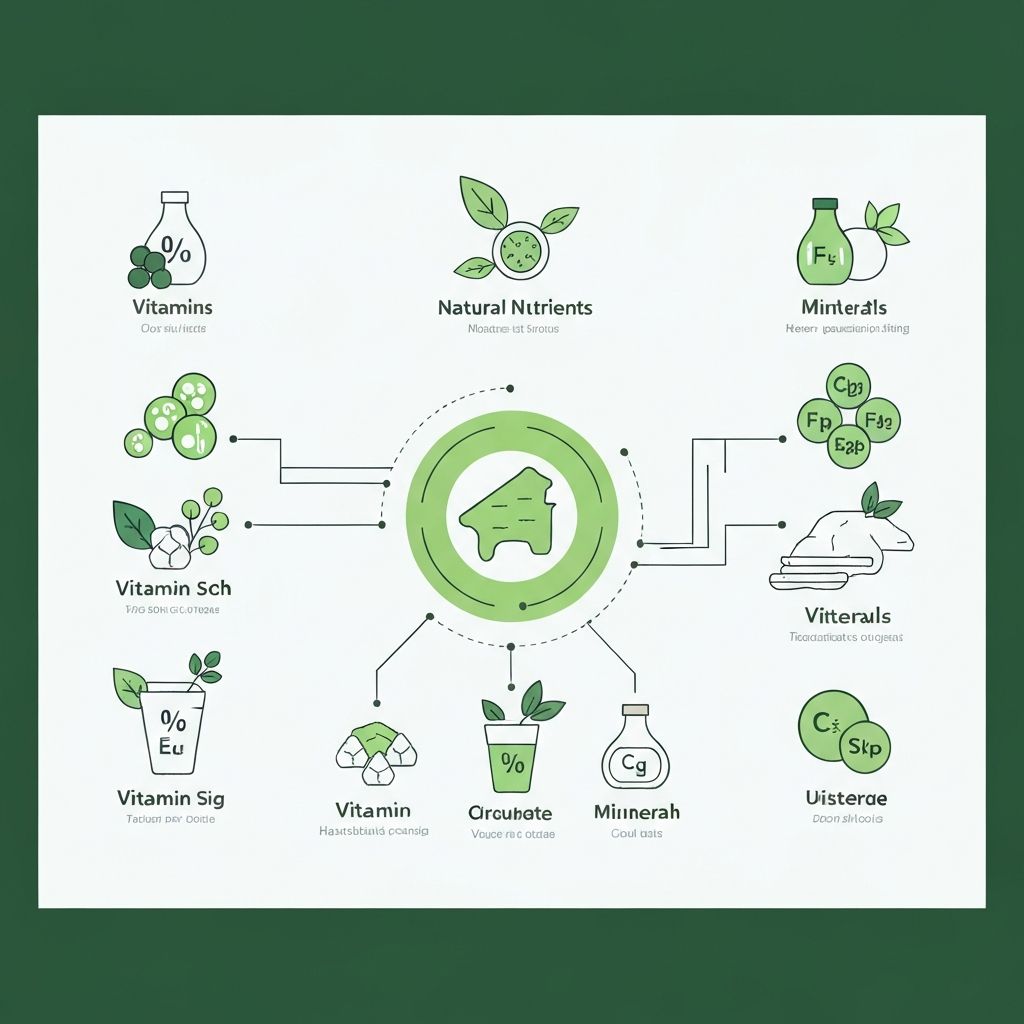
Nutrient Benefits Infographic
Different nutrients serve various functions in the body. Vitamins and minerals participate in numerous biochemical processes, from energy metabolism to cellular maintenance. Understanding these basic functions provides context for why people show interest in nutrient intake.
For example, B vitamins are involved in energy metabolism, vitamin D plays roles in calcium absorption and immune function, magnesium participates in muscle and nerve function, and zinc is involved in immune processes and protein synthesis.
These scientific facts about nutrient functions are well-established in nutritional science. However, individual nutrient needs vary based on diet, genetics, activity level, and many other factors.

Seasonal Foods and Wellness
Seasonal eating patterns have been traditional practices in many cultures. Different seasons offer varying arrays of fresh produce, which influences dietary diversity throughout the year. In Germany, seasonal foods range from berries and stone fruits in summer to root vegetables and brassicas in winter.
Some people adjust their supplement routines seasonally, potentially increasing vitamin D supplementation during months with less sunlight, or varying their intake of other nutrients based on seasonal dietary changes. These practices reflect personal approaches to aligning supplement use with seasonal food availability.
The relationship between seasonal foods and supplement practices illustrates how environmental factors can influence wellness routines. Regional food systems, climate patterns, and cultural food traditions all contribute to diverse approaches to nutrition and supplementation.
Physical Activity and Nutrition Synergy
Physical activity and nutrition are interconnected aspects of wellness. Regular movement, whether through structured exercise or daily activities, influences energy needs and nutrient utilization. Many active individuals pay attention to protein intake, hydration, and recovery practices.
The relationship between activity levels and supplement use varies among individuals. Some people who engage in regular exercise explore supplements like protein powders, omega-3 fatty acids, or specific vitamins and minerals. These choices often reflect personal interests in supporting active lifestyles.
Different types of physical activity may correspond with different nutritional considerations. Endurance activities, strength training, and recreational sports each have distinct characteristics that influence how people think about their nutrition and supplement practices.

Research Insights and Evidence
Scientific research on vitamins, minerals, and natural supplements spans decades and includes numerous studies examining nutrient functions, dietary intake patterns, and supplementation practices. Research methodologies vary from controlled laboratory studies to large population surveys.
Current scientific understanding recognizes that nutrient needs vary among individuals based on genetics, age, activity level, dietary patterns, and health status. Research continues to evolve, with ongoing studies exploring nutrient interactions, optimal intake levels, and the relationships between diet, supplements, and various health outcomes.
It is important to note that research findings are often complex and context-dependent. Single studies provide limited information, while the broader body of evidence develops over time through accumulated research. Scientific consensus on nutrition topics can shift as new evidence emerges.
Important Context: This content presents educational information about natural supplements and wellness practices. It does not provide medical advice, diagnose conditions, or recommend specific products or treatments. Individual health decisions should be made based on personal circumstances and professional consultation where appropriate.

Learning Resources and Conclusion
Education about nutrition, supplements, and wellness is available through various channels including scientific publications, educational institutions, government health agencies, and reputable health organizations. Critical evaluation of information sources helps distinguish evidence-based content from promotional material.
This resource aims to provide educational context about natural supplements in daily male wellness routines. The content explores common practices, basic nutritional concepts, and the diversity of approaches people take to incorporating supplements into their lives.
Continued learning and informed decision-making remain important aspects of personal wellness journeys. As research evolves and individual circumstances change, approaches to nutrition and supplementation may adapt accordingly.
Learn More